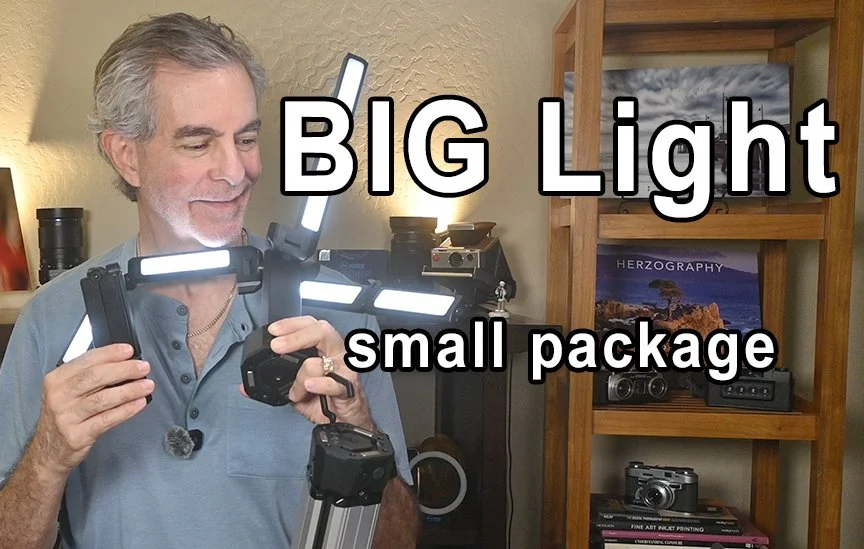
Maven Talon Travel Lights: Big Light, Small Package — and Is the Kickstarter Worth Backing?
One of the biggest challenges with lighting isn't necessarily finding a light that can produce beautiful results. There are plenty of lights capable of doing that. The problem is getting those lights from one location to another without turning your camera bag into a lighting truck. Large soft lights, stands, modifiers, cables, and power supplies can quickly add weight and bulk to an otherwise manageable kit.
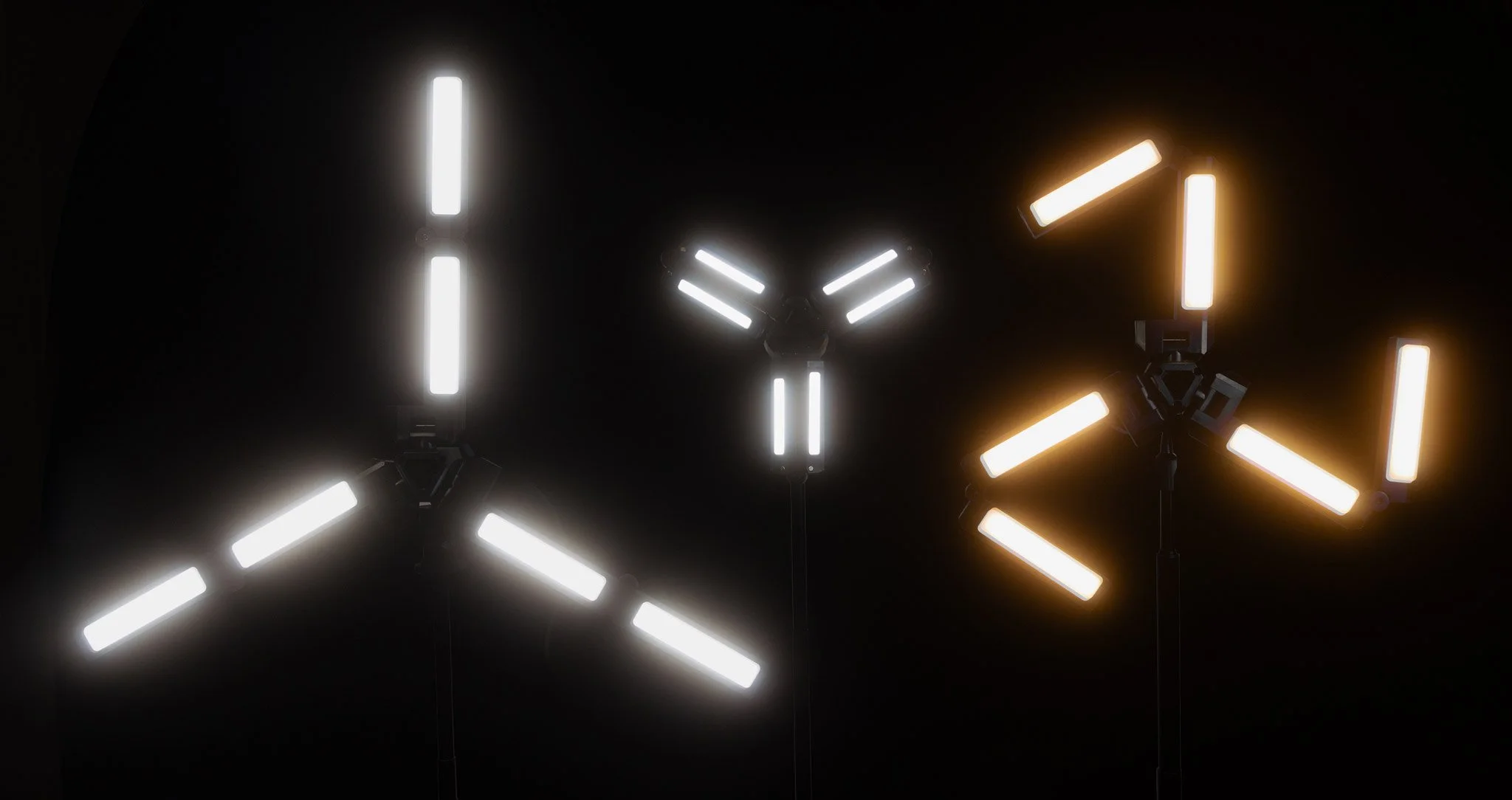
That's the problem Maven set out to address with its new Talon Travel Lights, a remarkably compact lighting system designed around an unusual folding concept. Rather than simply making a smaller version of a traditional rectangular LED panel, Maven created a light that physically changes shape. Folded up, the Talon becomes a compact bar that's easy to carry. Open it up, however, and three individual arms spread into a much larger Y-shaped lighting surface.
The result is a portable light that isn't simply small. It's designed to become a significantly larger and more flexible light source when you need it.
Maven Filters, a company many photographers know for its magnetic camera filters, is bringing this different approach to portable lighting to market through a Kickstarter campaign launched on October 13, 2026. The campaign features three models: the Talon Mini, Talon Pro, and Talon Max.
But before deciding whether one of these lights belongs in your camera bag, it's worth understanding what makes the design different, how the three models compare, and what you should know about backing the Kickstarter.
The Idea Behind Talon
The story behind Talon is almost as interesting as the design itself. Maven founder Michael Andrew had been frustrated for years by the weight, bulk, and setup time associated with traditional lighting equipment. The proverbial final straw came while traveling to help a friend shoot a video. Andrew was charged more than $500 in excess baggage fees, and that experience helped crystallize the problem: there had to be a way to create the softness and size of a larger light without requiring photographers and videographers to carry a large lighting system everywhere they went.
The idea was simple: create something that could fold down small enough to travel easily but open up into a much larger light source when it was time to shoot.
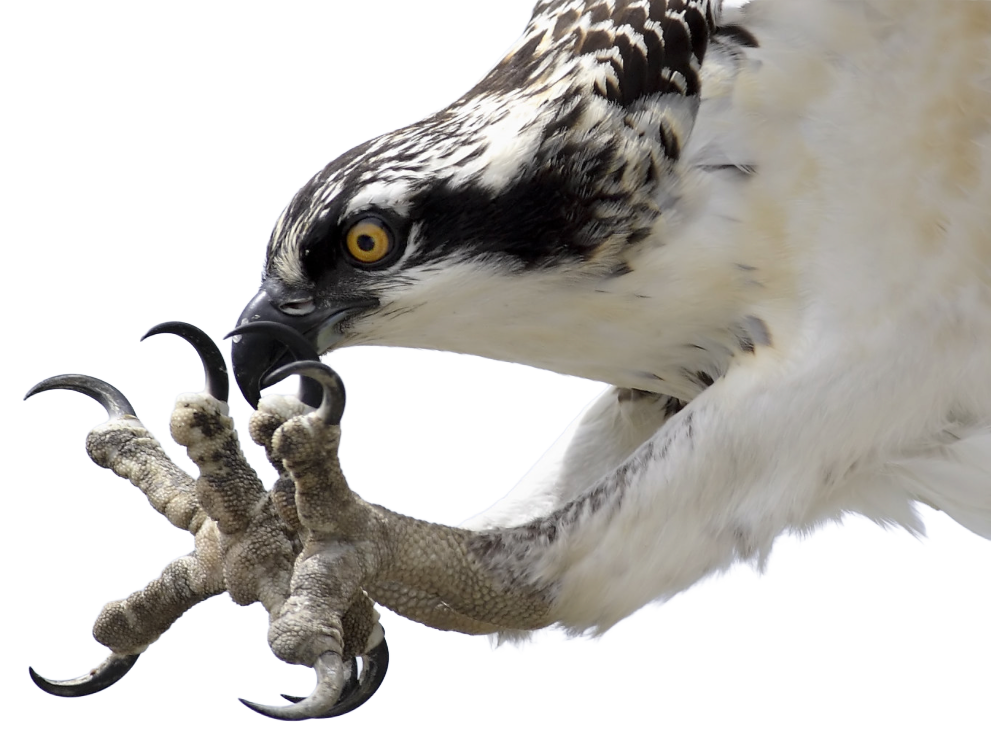
The inspiration for the unusual mechanical design came from an osprey. Watching the bird's talons open and close suggested a similar concept for a lighting system. Three arms could fold together into a compact form and then spread apart when needed. That concept eventually became Talon, both in its design and its name.
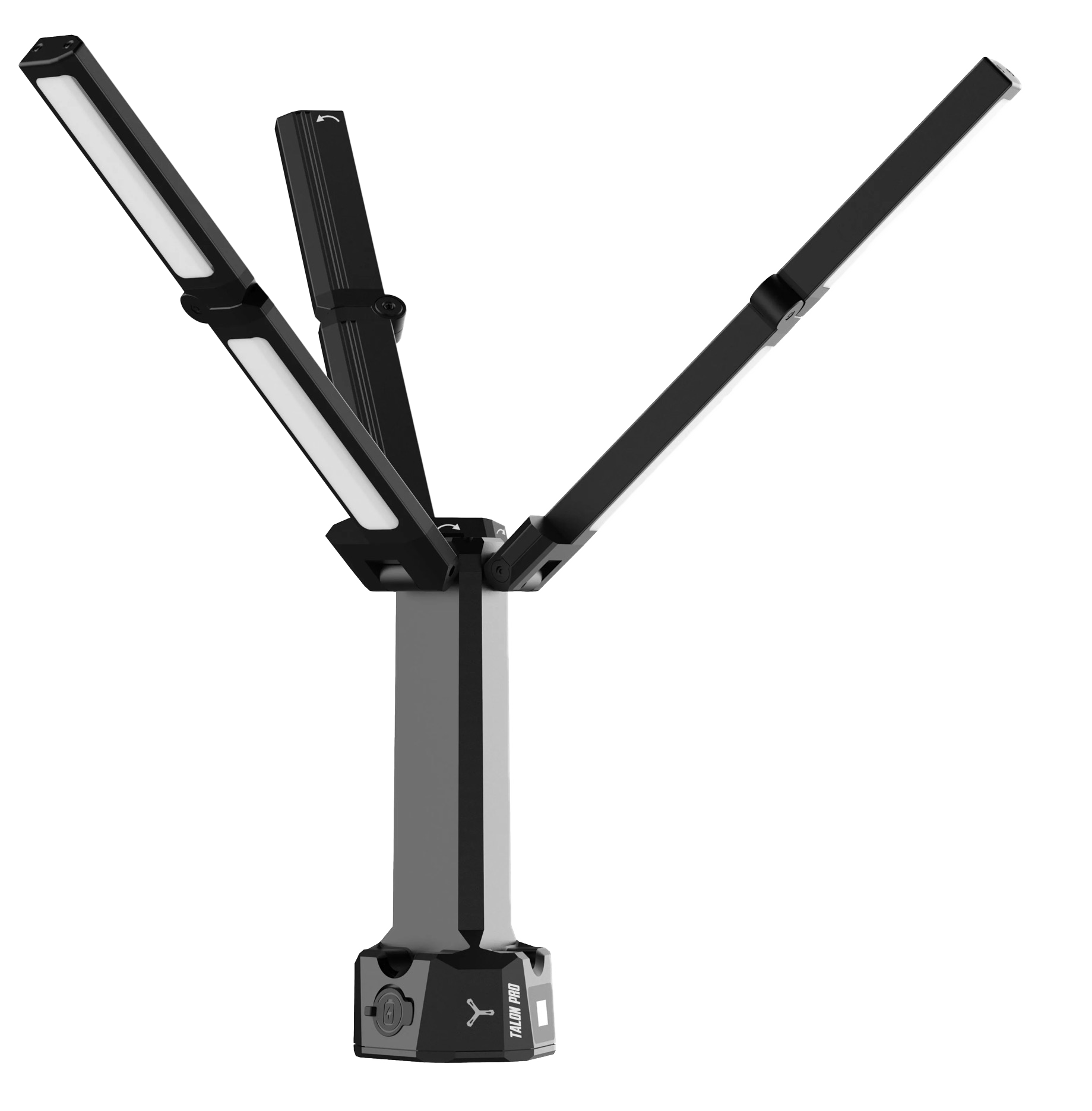
Maven says the split-arm design is protected by a utility patent, and the individual arms can hinge and rotate independently. That last detail is important because it turns Talon from simply being a portable LED light into something much more interesting: a light source that can be physically shaped.
According to Maven, the Talon went through approximately seven years of development and prototyping. That process included hand-built rigs, 3D-printed arms, prototype housings, and eventually tooled aluminum and polymer components. Electrical engineer Craig Rettew of Zepto Industries joined the Maven team during the development of the initial prototypes, helping turn the concept into a working lighting system.
The final Mini, Pro, and Max designs combine that mechanical folding system with internal battery operation and USB-C power.
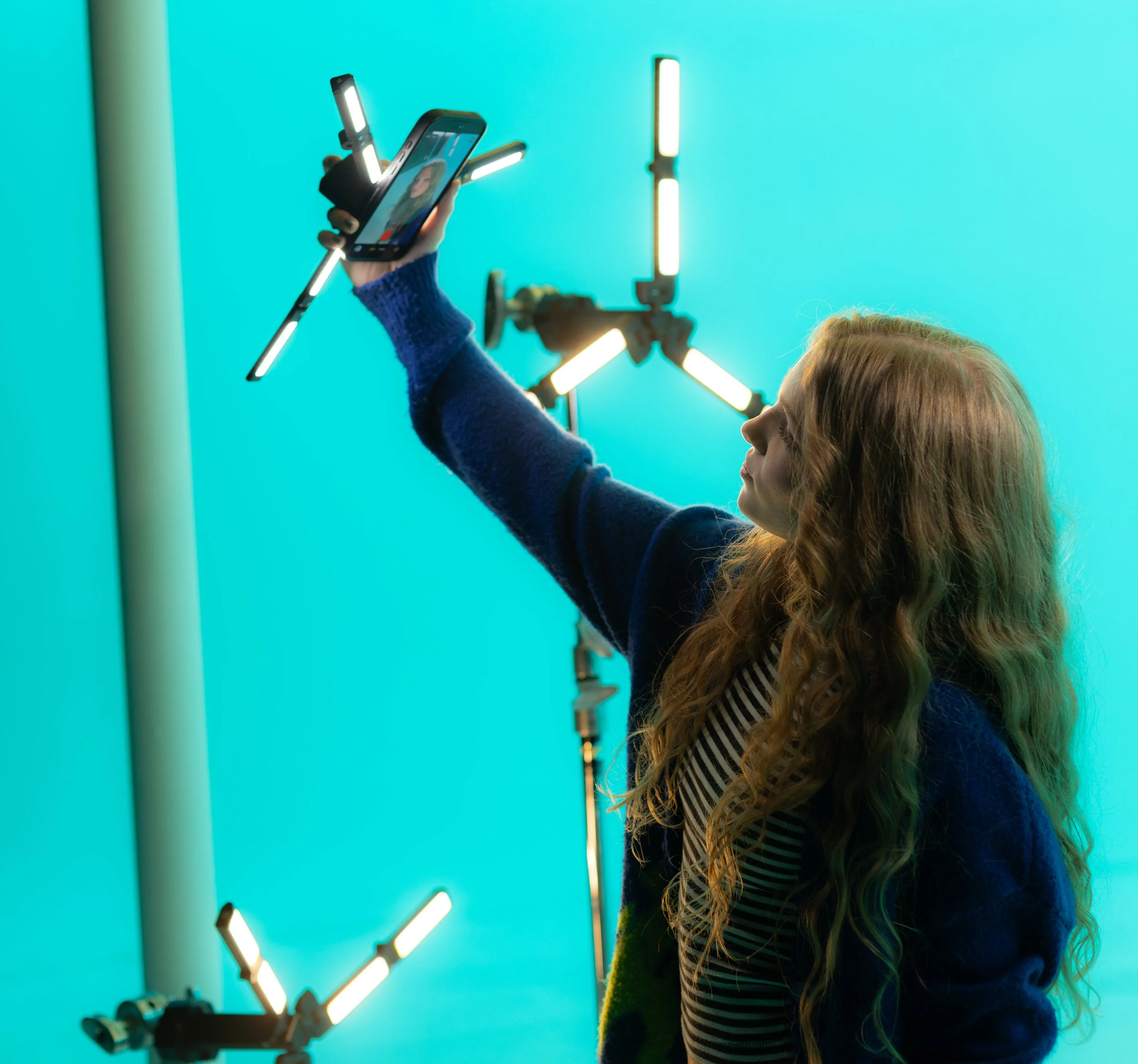
What Makes the Maven Talon Different?
For me, the most interesting feature of Talon isn't simply that it's small. Plenty of manufacturers make small LED lights. What makes Talon different is what happens when you open it.
The three arms spread apart to create a much larger triangular or Y-shaped source. Because each panel can hinge and rotate independently, you can experiment with the shape and direction of the light. Instead of treating the light as a single flat panel, you can position its three sections to create different lighting patterns.
You can open the arms wide for a broader source, bring them closer together, or rotate individual sections to direct light where you need it. This gives Talon a degree of three-dimensional flexibility that you don't normally associate with something this compact.
All three models are designed to provide high color-rendering performance, silent operation without internal cooling fans, and flicker-free lighting. They're also USB-C rechargeable and can operate from USB-C power.
The main differences between the models are their size, light output, and color-temperature capabilities.
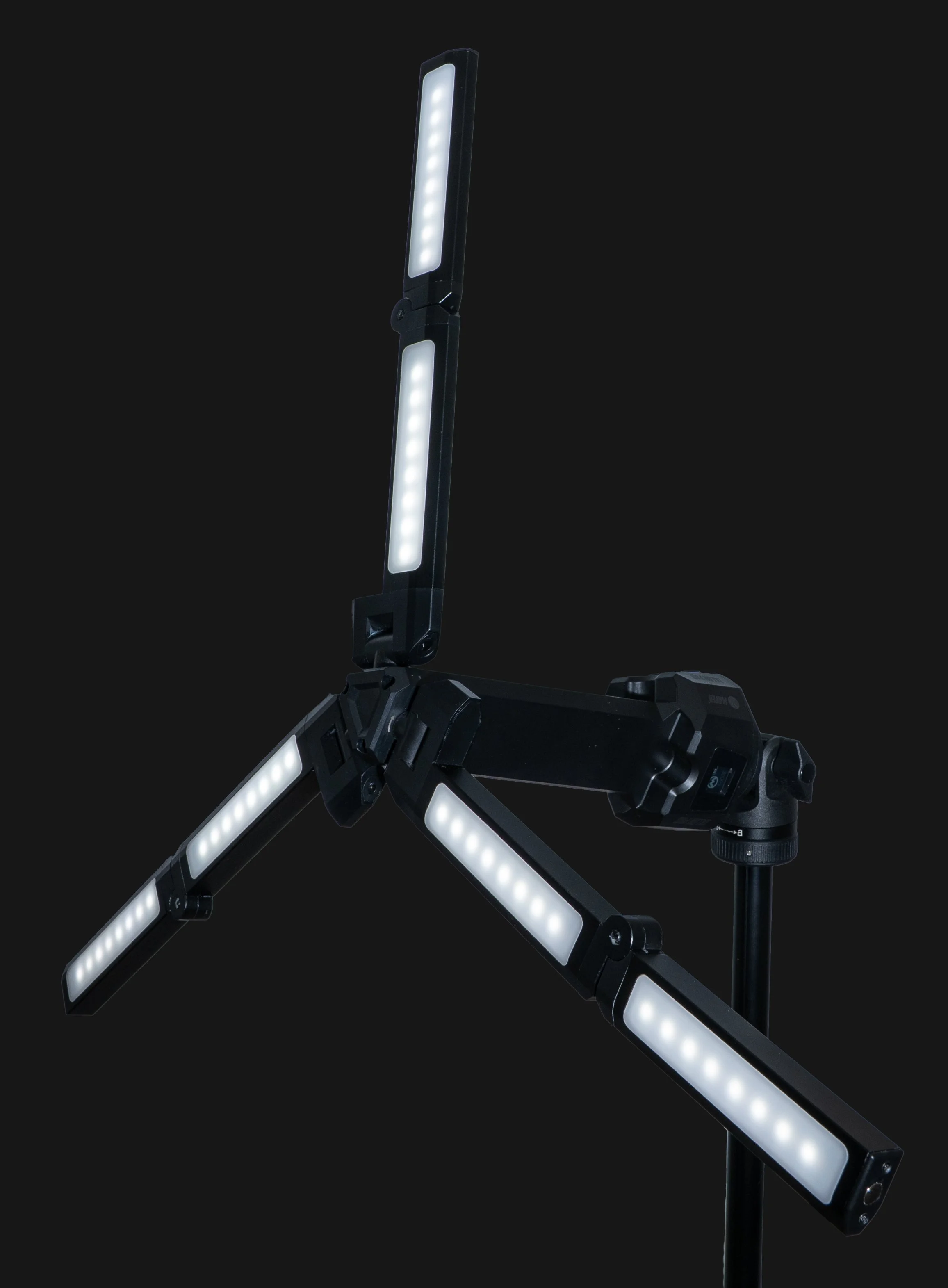
Three Talon Models, Three Different Approaches
Talon Mini: Maximum Portability
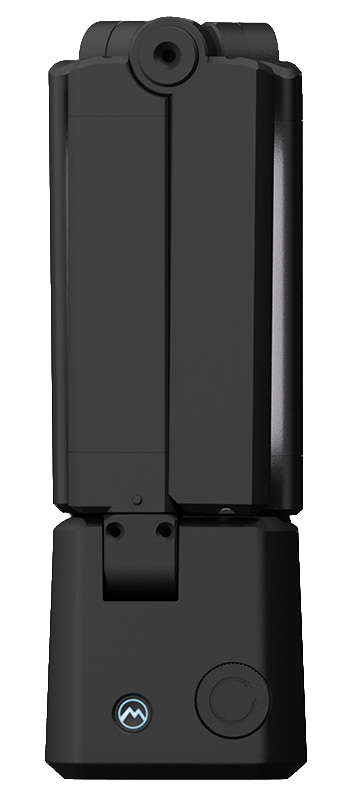
The Talon Mini is the smallest member of the family and is designed around maximum portability. Weighing just 178 grams, or approximately 6.3 ounces, it folds into a compact form that can fit in a pocket or camera bag.
The Mini operates at a preset color temperature of 5400K, making it a daylight-style light. Its opened lighting surface measures approximately 470 square centimeters, giving you a larger source than its folded dimensions might suggest.
Maven says the Mini can run for up to approximately one hour on its internal battery, depending on how it's used, or operate continuously when connected to USB power. It also comes with a crush-resistant case that doubles as a stand.
Maven's corrected maximum brightness measurements for the Mini are:
490 lux at one foot
216 lux at half a meter
55 lux at one meter
The Kickstarter starting price is approximately $129, depending on the available reward tier.
For photographers who want something extremely portable for close-up subjects, small products, macro photography, or quick lighting adjustments, the Mini could be an interesting option. It's also appealing if you want to carry a light without dedicating much space or weight to it.
Talon Pro: More Control Over Color Temperature
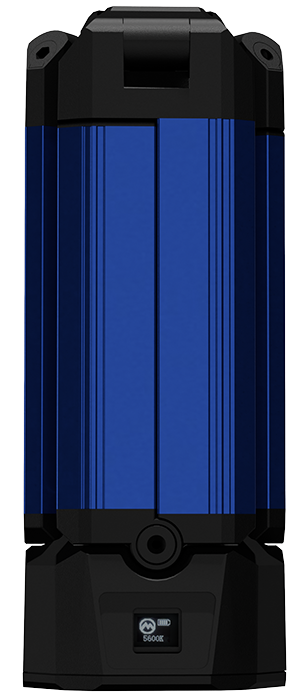
The Talon Pro is the middle option and, in many situations, may be the most versatile of the three.
Weighing just over a pound and a half, the Pro is physically larger than the Mini but offers an important advantage: adjustable color temperature. Its bi-color range runs from 3200K to 5600K, allowing you to move from warmer, tungsten-style light toward daylight.
This flexibility can be particularly useful when recording YouTube videos, conducting interviews, photographing products, or working in rooms where the existing light has a different color temperature from your artificial lighting.
The Pro offers two quick presets, 3200K and 5600K. To switch between them, press the power button to cycle through the settings. If you need a specific color temperature, press and hold the power button until the light flashes twice. You can then turn the dial to select your desired temperature. The light flashes twice again to confirm the setting.
That ability to fine-tune the color temperature can be more useful than having only warm and daylight settings. When you're working on location, the existing light may not fall neatly into either category. Being able to adjust the Talon makes it easier to match the surrounding environment and mix artificial and natural light.
The Pro's corrected maximum brightness measurements are:
2,130 lux at one foot
1,060 lux at half a meter
287 lux at one meter
It also includes a magnetic back plate and a utility hook, providing additional mounting options.
The Kickstarter starting price is approximately $159.
If you record videos indoors, work in mixed lighting, or want more flexibility when matching your light to the environment, the Pro may be the most practical choice.
Talon Max: Prioritizing Light Output
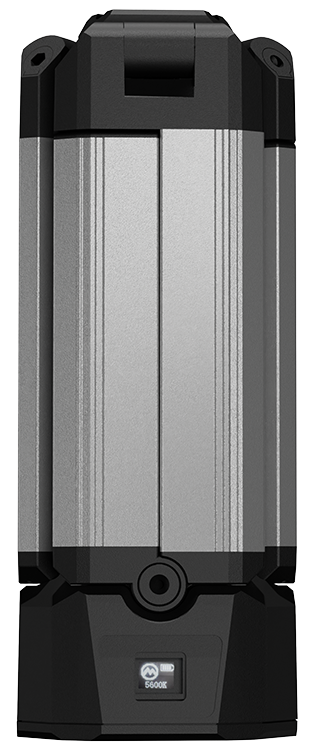
At the other end of the lineup is the Talon Max, designed for photographers and creators who prioritize maximum light output.
Interestingly, the Max and Pro are physically the same size and weigh approximately the same amount. The difference is in their output and color-temperature control.
The Max operates at a fixed 5600K color temperature and produces approximately twice the light output of the Pro. That makes it an interesting option for daylight-balanced applications where output is more important than adjustable color temperature.
Its corrected maximum brightness measurements are:
4,340 lux at one foot
2,010 lux at half a meter
543 lux at one meter
Like the Pro, the Max includes a magnetic back plate, utility hook, and the same general folding design.
Its Kickstarter starting price is approximately $159.
If maximum daylight output is your priority, the Max is the model to consider. If you need adjustable color temperature, the Pro is the better fit.
One important point about these brightness figures: the numbers above are Maven's corrected measurements. The company acknowledged that some earlier brightness figures were labeled with the wrong measurement distance, so make sure you're looking at the updated specifications when comparing the lights.
It's also worth remembering that lux readings alone don't tell you everything about lighting quality. The distance to your subject, the size and placement of the light source, and the way you shape the light all matter.
How Could You Use a Talon Light?

There are numerous ways to use a Talon, but two of the most obvious applications are as a key light or a backlight.
As a key light, Talon can be positioned close to your subject to create a relatively broad source. Opening the panels gives you more surface area than you have with the light folded up, and bringing a light source close to a subject can help create softer illumination.
As a backlight, the compact design becomes even more useful. You can position it behind a subject, use it as a hair or rim light, or experiment with the three panels to direct light where you want it. For an interview or talking-head video, a small, portable backlight can make a significant difference in separating the subject from the background.
The possibilities extend well beyond video production. Depending on the model, output, and working distance, the Talon could be useful for portrait photography, product photography, macro work, livestreaming, real-estate video, and social-media content.
For someone like me who creates photography tutorials and YouTube videos, portable lighting is especially appealing. I don't always want to set up a complete studio just to light a subject or record a segment.
And because Talon is portable, you're not limited to using it in a dedicated studio. You might be shooting an interview in an office, photographing a product in a client's workspace, creating content in a hotel room, or working on location where a traditional lighting setup would be impractical.
That's really the point of the design: making useful lighting available without requiring a large collection of equipment.
Built for Travel

The travel aspect of Talon goes beyond its folding design.
All three models are USB-C rechargeable, which is exactly the kind of feature I like to see in equipment designed for location work. When I'm traveling with camera equipment, I don't want to carry a separate proprietary charger for every piece of gear. USB-C allows Talon to fit into the same charging ecosystem as cameras, phones, tablets, laptops, and power banks.
The lights can also operate from USB-C power, giving you the option of using the internal battery when you're away from an outlet or powering the light directly when external power is available.
There's also a built-in hanging hook, another seemingly small feature that can become useful in the real world. Not every lighting situation requires a light stand. Being able to hang the Talon from an appropriate support gives you another way to position the light without adding more equipment to your setup.
The Pro and Max also feature a magnetic back plate, providing additional mounting possibilities.
Maven describes Talon as being designed for people who "carry their studio," and I think that's an appropriate way to look at it. The goal isn't necessarily to replace every large studio light. Instead, it's to give photographers and creators another option: carry a useful light source without dedicating a large portion of their equipment to lighting.
Sometimes the most useful piece of equipment is the one you actually bring with you.
Is the Maven Talon Kickstarter a Credible Project?
Whenever a new product launches through Kickstarter, one of the biggest questions is whether the company will deliver.
I reached out directly to Michael Andrew, the owner of Maven Filters, and asked him about the project's status, production plans, pricing, and expected delivery schedule.
According to Michael, the Talon lights aren't just concepts or computer renderings of a product that might exist someday. He said working units have already been produced and placed in the hands of dozens of beta testers. He also said the production facilities are ready and that the company is waiting for the production order.
Michael pointed to Maven's previous Kickstarter campaigns, saying the company has followed through on them.
That's encouraging information, particularly when you're considering backing a product before it becomes available through regular retail channels.
However, it's important to understand the distinction between backing a Kickstarter project and buying a product that's already sitting on a store shelf. You're supporting a project, and production, fulfillment, and shipping can still encounter delays.
Even when a product exists and the manufacturer has a production plan, a published delivery date is an estimate, not a guarantee.
My advice is to look at the actual product information, review the campaign terms, and make sure you're comfortable with the risks before backing it. In this case, Maven says the Talon is a developed product with working units rather than a hypothetical design. That's an important consideration when evaluating the campaign, but it doesn't eliminate the uncertainties associated with crowdfunding.
Why Back the Kickstarter Instead of Waiting?
The Maven Talon Kickstarter launched on October 13, 2026, and is scheduled to run for one month, ending November 13, 2026.
According to Michael, there are two main reasons to consider backing the campaign: pricing and the opportunity to receive a light from the initial production run.
Kickstarter Pricing and Early-Bird Rewards
Maven says selected Kickstarter rewards offer savings of approximately 50 to 60 percent off expected regular retail pricing. The campaign also includes bundles that can provide additional value compared with purchasing items individually.
The currently advertised starting prices are approximately:
Talon Mini: $129
Talon Pro: $159
Talon Max: $159
These are campaign starting prices, not a guarantee that every reward will be available at that price throughout the campaign. The final amount depends on the specific reward tier, bundle, and accessories you select.
The expected regular retail prices are approximately $249 for the Mini and $299 for the Pro and Max. These are projected prices, and final retail pricing may change.
Michael explained that Maven typically offers special VIP or early-bird reward tiers at the beginning of a campaign. Those offers can sell out within the first few hours.
If you're interested in a particular model or bundle, don't assume the lowest-priced reward will remain available throughout the campaign. Check the Kickstarter page for the latest pricing, reward availability, and package details.
My recommendation is to compare the complete reward packages rather than looking only at the headline price. Consider whether you need one light or several, which accessories are included, and how you intend to use the lights.
A discount is only valuable if you're purchasing something that actually solves a problem for you.
When Will You Receive Your Talon Light?
The second consideration is delivery.
I asked Michael about the expected schedule. He explained that Maven initially hoped production and delivery would happen sooner, but the company wanted to allow enough time for manufacturing and the Chinese New Year holiday period.
According to Michael, the process is expected to take approximately three months after Maven receives the Kickstarter funds. Those funds aren't released immediately when the campaign ends, which adds additional time to the schedule.
Maven's published delivery estimate is April 2027, although Michael indicated that March could be possible if everything goes smoothly.
For planning purposes, I would use April 2027 as the expected delivery window and treat an earlier arrival as a possibility rather than a promise.
That means you're backing the product now, but you should be prepared to wait several months before it arrives. If you need a light immediately for an upcoming project or shoot, that is something to consider carefully.
If you're comfortable waiting and the product fits your needs, the early-backer pricing may make the wait worthwhile.
Will the Talon Be Available After Kickstarter?
Another question I asked Michael was whether each Talon model would be manufactured only in a limited quantity for the Kickstarter.
His answer was that Maven intends to continue producing the lights if the campaign is successful and demand supports ongoing production.
In other words, this campaign isn't necessarily your only opportunity to buy a Talon. However, the early-bird reward tiers and initial production allocation are limited, and there's no guarantee that the same pricing or bundles will be offered later.
I wouldn't look at this as a product that will definitely disappear forever after the Kickstarter ends. Instead, I'd look at the campaign as an opportunity to obtain early-backer pricing and potentially receive a unit from the first production run.
If you miss the early-bird offer, you may still have another opportunity to buy one later, but probably at a different price.
Which Maven Talon Would I Consider?
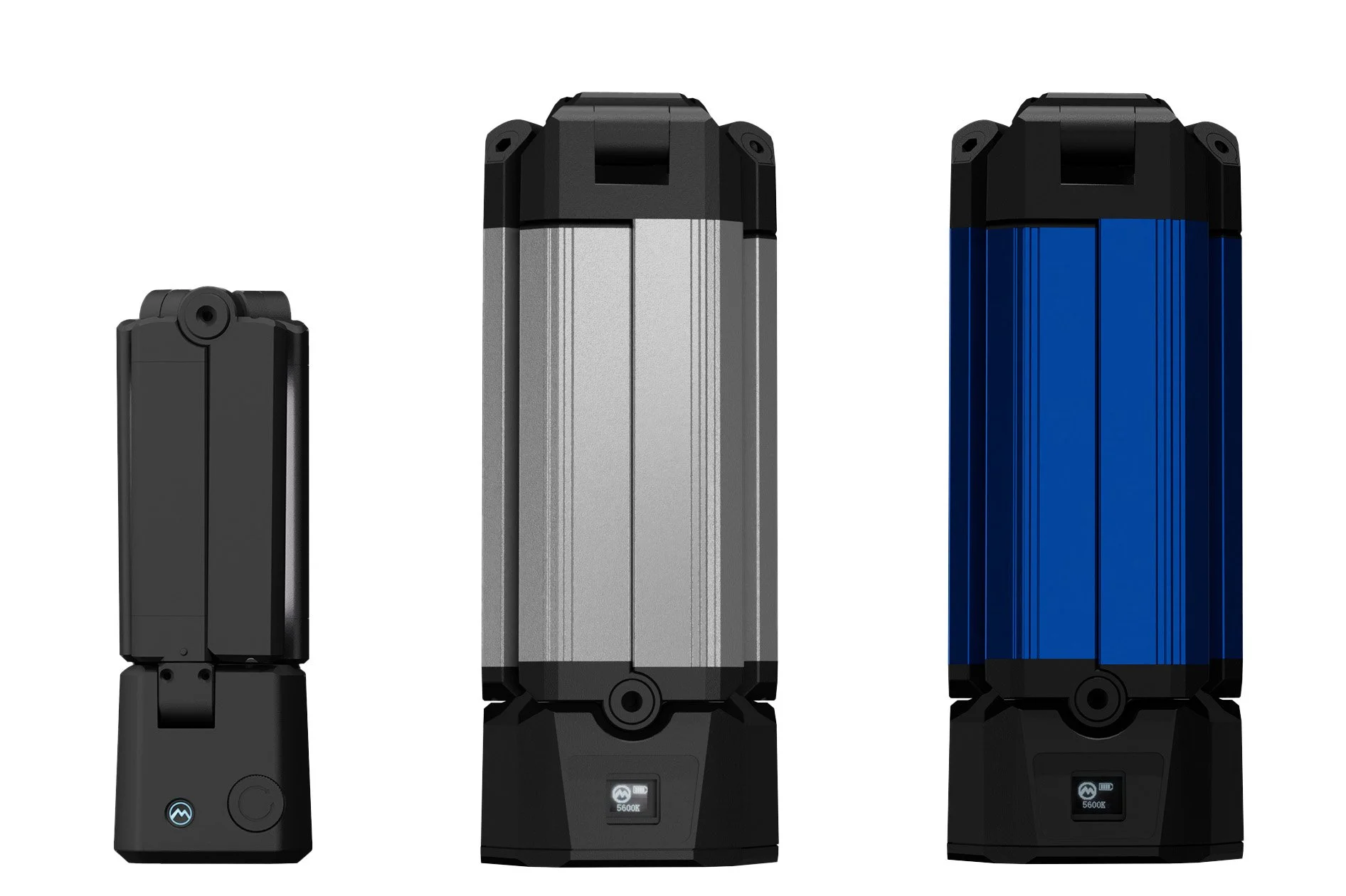
The best model depends on how you work and what you expect from a portable light.
If I wanted the smallest and lightest option, the Talon Mini would be appealing. At just 178 grams, it's easy to see how it could become part of a lightweight camera or travel kit.
If I were primarily creating YouTube videos, interviews, or other content in different indoor environments, the Talon Pro would deserve a close look. Its adjustable color temperature provides useful flexibility when matching artificial light to the surrounding environment.
And if maximum output were my priority and I primarily wanted daylight-balanced lighting, the Talon Max would be the model to consider.
Of course, the best choice depends on your subject, shooting distance, lighting environment, and how you plan to mount the light. I would also encourage you to consider whether you need adjustable color temperature or whether fixed daylight output will meet your needs.
Before backing the campaign, take the time to review the available specifications and reward packages. If you can, watch a detailed demonstration of the lights in use so you can better understand their size, output, and practical limitations.
Final Thoughts: A Different Way to Think About Portable Lighting
For photographers and creators who are constantly moving from one location to another, the Maven Talon is an interesting rethink of what portable lighting can be.
Instead of simply shrinking a conventional light, Maven designed a system around the idea that the light can fold and unfold. When you need it, the three arms spread apart to create a much larger source. When you're finished, everything folds back into a compact package.
The Mini, Pro, and Max offer three different approaches. The Mini emphasizes portability, the Pro adds adjustable color-temperature control, and the Max prioritizes output while maintaining the same physical dimensions as the Pro.
The USB-C charging and power options, mounting features, and ability to shape the lighting surface add to the appeal for photographers, videographers, educators, and content creators who want to travel lighter.
The Kickstarter provides an opportunity to get in early, with discounted pricing and bundles. But you'll need to be comfortable backing a project and waiting for delivery, currently estimated for April 2027.
For me, that's the important distinction. The Talon isn't simply another small LED light. It's a different way of thinking about portable lighting—and one that could be particularly useful for people who prefer to spend their time shooting rather than hauling and setting up equipment.
As always, don't buy something simply because it's discounted. Buy it because it solves a problem you have or gives you a capability you genuinely need.
The Maven Talon Kickstarter launched October 13, 2026, and is scheduled to end November 13. If you're interested, visit the campaign page to check the latest specifications, pricing, available reward tiers, and delivery information before deciding whether to back it.
The question isn't just how much light you can carry. It's how much useful lighting you can bring along without carrying an entire studio.
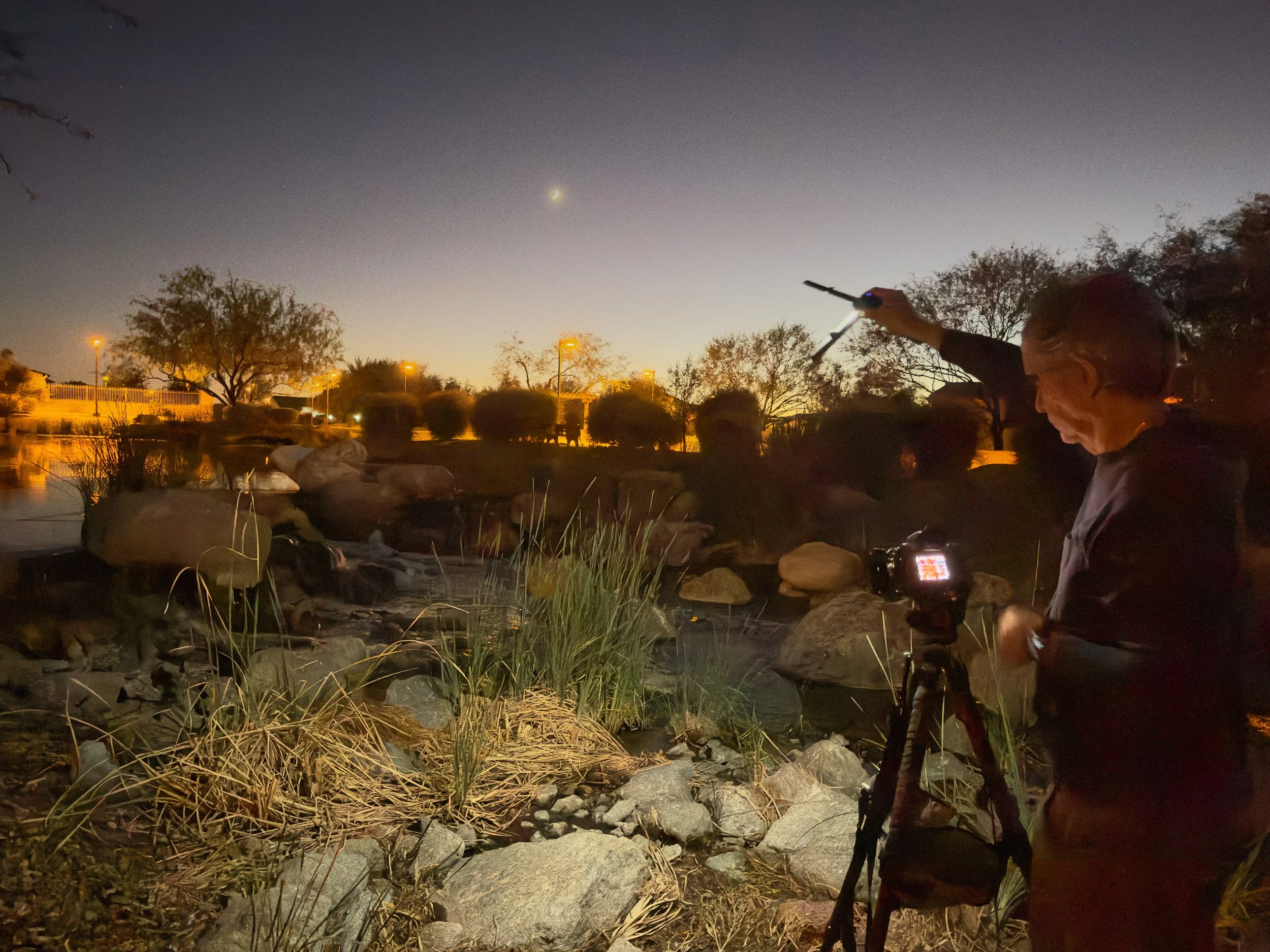
Using a Maven Talon Mini as a fill light for landscape images.